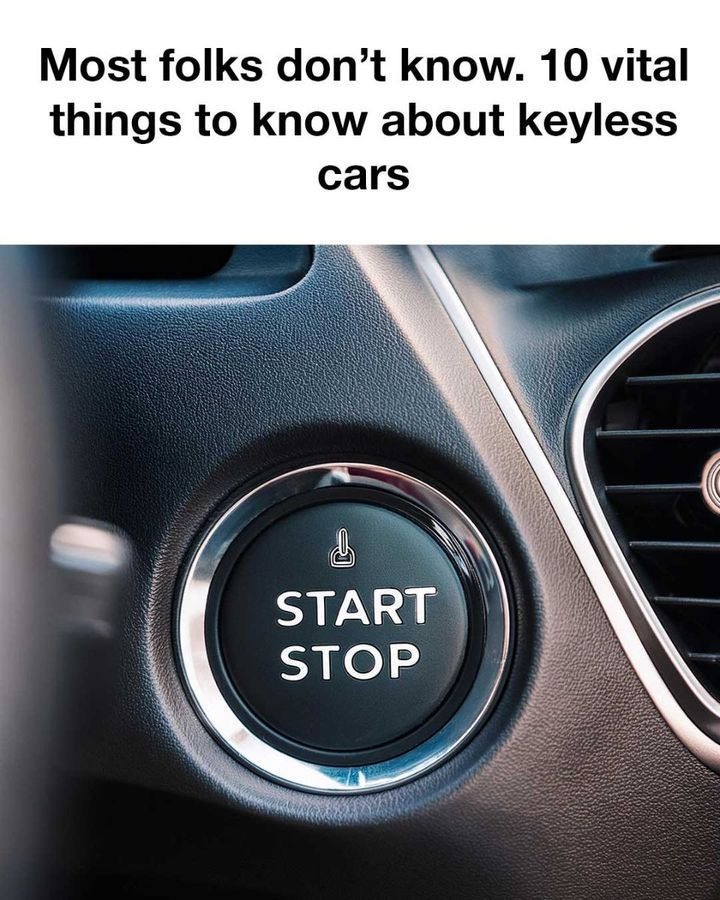
The Rise of Keyless Car Systems: Convenience and Security Considerations
Keyless car systems have revolutionized vehicle access, offering unprecedented convenience and security. With keyless technology, drivers can unlock and start their cars without inserting a traditional key, streamlining their experience. However, alongside these advantages come security risks and maintenance concerns that every car owner should understand. Let’s explore the essential aspects of keyless car technology.
How Keyless Entry Works
Keyless entry systems operate using Radio Frequency Identification (RFID) and wireless communication between the vehicle and a fob (or, in some cases, a smartphone). When the fob is within a specific range, it transmits a coded signal to the car’s receiver, allowing the doors to unlock and, depending on the model, enabling push-button ignition. This eliminates the need for a physical key, enhancing ease of use.
Advantages of Keyless Car Systems
✅ Convenience: No more fumbling for keys—keyless entry allows quick, hassle-free access, especially when carrying bags or in bad weather.
✅ Enhanced Security: Modern keyless systems use rolling codes that change with each use, making it harder for thieves to duplicate signals.
✅ Increased Comfort: The ability to leave the fob in a pocket or bag minimizes hassle when unlocking or starting the car.
Common Myths About Keyless Cars
🚗 Myth: Keyless cars are more prone to theft.
🔍 Reality: While early models were vulnerable, today’s systems use stronger encryption and security measures to deter hackers.
🔋 Myth: If the fob’s battery dies, the car will stop running.
💡 Reality: Most keyless vehicles continue operating even if the fob battery dies, and many offer an emergency start function or mechanical key backup.
Security Risks and Solutions
Despite advanced security features, keyless cars remain vulnerable to relay attacks, where criminals amplify the fob’s signal to unlock and start the vehicle remotely. To prevent this:
🔒 Use a Faraday pouch to block signals when the fob is not in use.
💡 Park in secure, well-lit areas or a locked garage.
📴 Disable passive entry (if available) when the car is not in use.
📡 Opt for motion-sensitive key fobs that deactivate after a period of inactivity.
Impact on Car Insurance and Theft Rates
see continuation on next page
