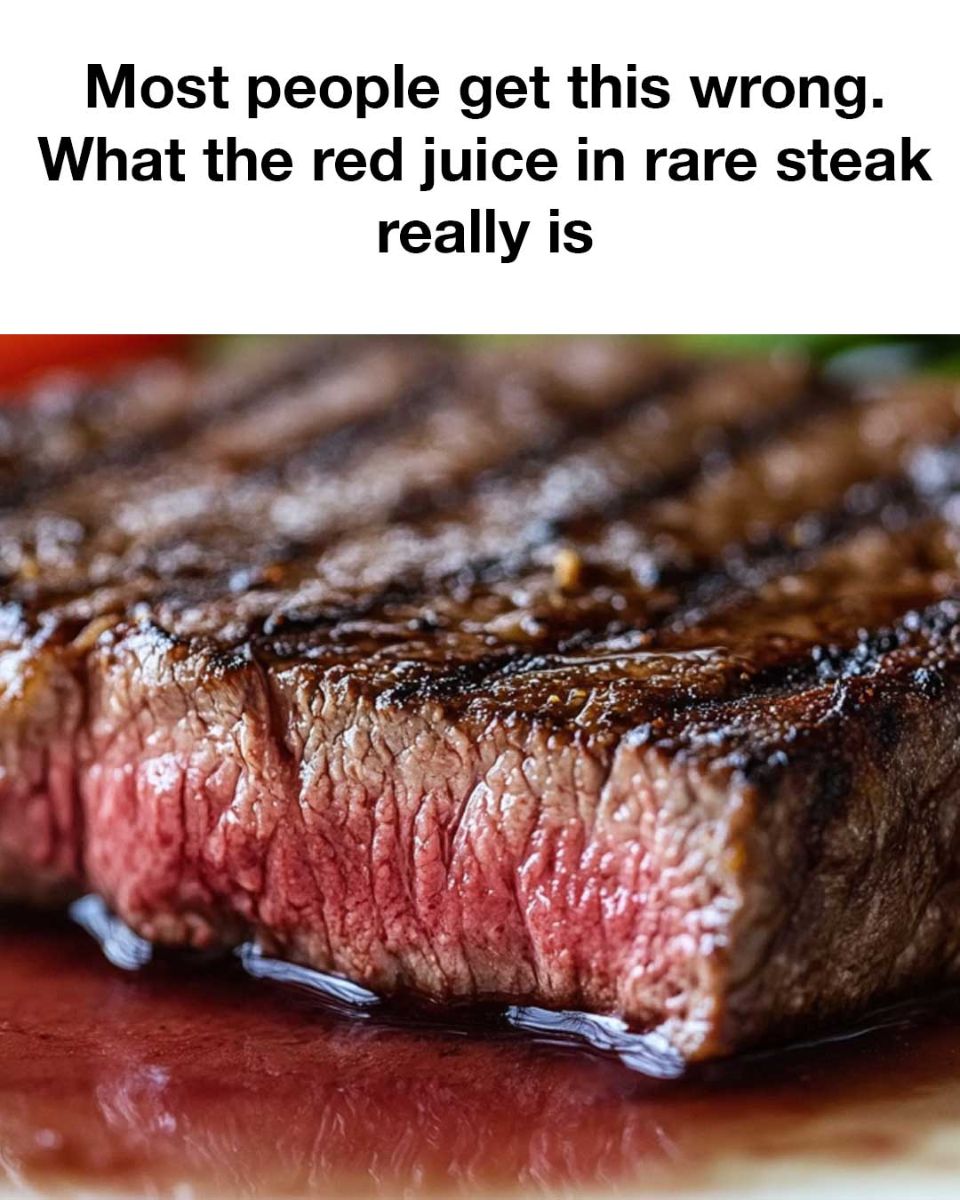
Understanding the Red Juice in Your Rare Steak: It’s Not Blood
When it comes to enjoying a perfectly cooked steak, particularly one that’s rare, many diners experience hesitation at the sight of the red juice that often pools around the meat. This liquid, which some may mistake for blood, often leads to unnecessary wariness or even aversion. However, this common assumption is far from the truth. Understanding the science behind what’s really happening in your steak can help you appreciate your meal without any misgivings. Let’s break it down.
The Basics of Meat Composition
To debunk the myth, we first need to understand the basic composition of meat. Meat is primarily made up of water, proteins, and fats. While fat plays a key role in flavor, it’s the proteins—specifically myoglobin—that contribute to both the color and juiciness of the meat. Myoglobin is the real reason behind the “red juice” you see in a rare steak.
What is Myoglobin?
Myoglobin is a heme protein found in muscle tissue, responsible for storing oxygen in muscle cells. Structurally similar to hemoglobin in the blood, myoglobin binds oxygen and delivers it to muscle fibers, which is essential for muscle function and endurance. This protein is also the key element behind the characteristic red or purplish hue of meat.
The Role of Myoglobin in Muscles
Myoglobin plays an essential role in muscle metabolism. It stores oxygen in muscle tissue and releases it during muscular exertion. Muscles that are used more frequently, such as those in the legs of animals, tend to have higher concentrations of myoglobin, which is why these muscles result in darker meat. This is why you’ll find beef steaks such as sirloin (which come from more active muscles) to be darker than, say, a tender cut like filet mignon.
Debunking the Myth: Why It’s Not Blood
see continuation on next page
