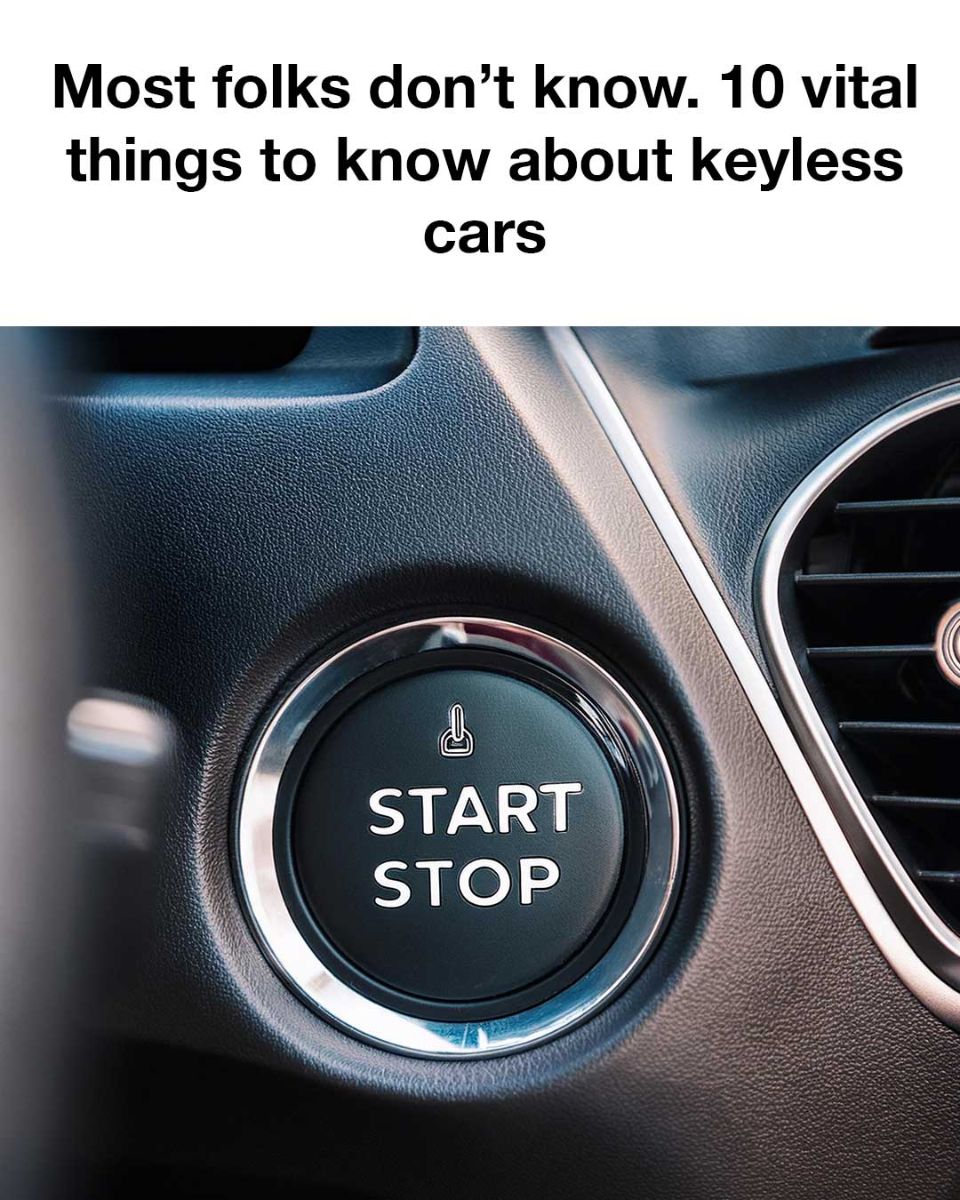
How Keyless Entry Works
Keyless entry systems rely on Radio Frequency Identification (RFID) and wireless communication between a car and a fob. When the fob is within range, it sends a coded signal to the car, allowing the driver to unlock the doors and start the ignition without needing a traditional key. This technology is highly convenient, but understanding how it functions—and its limitations—is important.
Advantages of Keyless Car Systems
- Ease of Access: Keyless systems eliminate the need to physically insert a key, making it easier to unlock and start your car, especially when your hands are full or in bad weather.
- Enhanced Security: Many keyless systems feature rolling codes, which change after each use, making it harder for thieves to intercept the signal.
- Convenience: Drivers can leave the key fob in their pocket or bag and simply approach their vehicle to unlock or start it, saving time and reducing hassle.
Common Myths About Keyless Cars
Despite their growing popularity, keyless cars are often misunderstood:
- Keyless cars are more vulnerable to theft: While keyless systems do present some risks, modern encryption techniques and security features such as rolling codes are designed to protect against unauthorized access.
- The car will turn off if the fob battery dies: Most keyless systems are designed to keep the car running even if the fob battery is dead, allowing drivers to reach a safe place before replacing the battery.
Potential Security Risks and Solutions
While keyless entry systems offer advanced security, they are not immune to threats:
- Relay Attacks: Thieves can amplify the fob’s signal to unlock the car remotely, even if the fob is inside the owner’s home.
- Solution: Many newer keyless systems now include motion sensors in the fob that deactivate the signal when the fob is stationary for a period. Additionally, using signal-blocking pouches (Faraday bags) or parking in secure, well-lit areas can mitigate these risks.
Impact on Car Insurance and Theft Rates
Keyless entry systems can affect both car insurance premiums and theft rates:
- Insurance Premiums: Many insurers offer discounts for vehicles with advanced security features, including keyless entry systems.
- Theft Rates: Some studies show that theft rates have increased due to relay attacks, prompting insurance companies to adjust their risk models and premiums accordingly.
Battery Concerns and Maintenance Tips
One of the most common issues for keyless car owners is the potential for a dead fob battery:
- Solution: Regularly check the battery status (usually every 1-2 years) to avoid lockouts. Many vehicles also come with a mechanical key backup or an emergency start function in case of a dead fob battery.
Technological Innovations in Keyless Systems
see continuation on next page
Pages: 1 2
