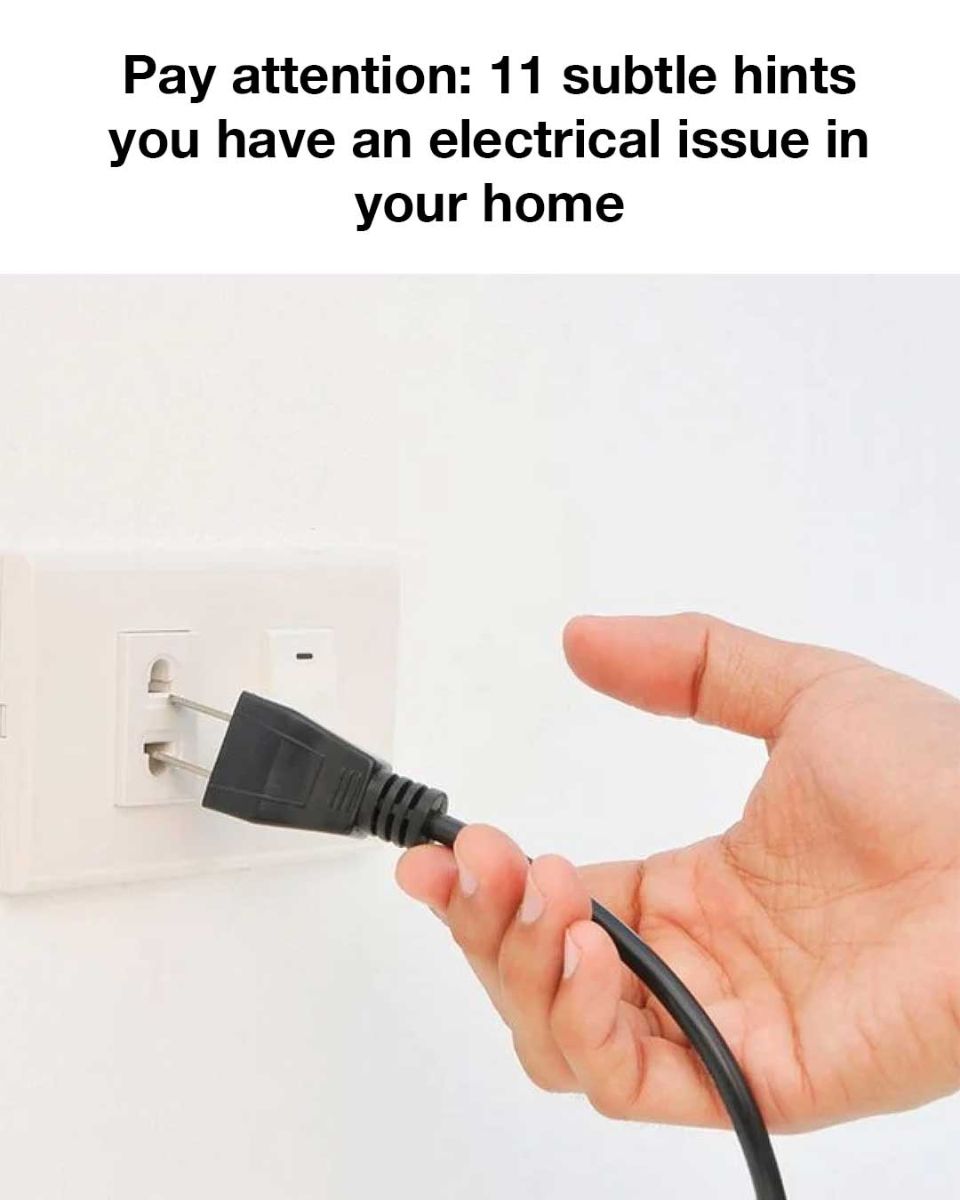
4. Discolored or Warm Outlets and Switches
- What it means: Outlets and switches should never feel warm to the touch or have scorch marks around them. These signs often indicate that the wiring behind the outlet is overheating, which can lead to a fire.
- What to do: Shut off the power to the outlet and call an electrician to replace the faulty outlet or wiring.
5. Sparking Outlets
- What it means: A small spark when plugging in an appliance might seem harmless, but frequent or large sparks can indicate dangerous issues, such as loose wiring or faulty components.
- What to do: Stop using the outlet immediately. Unplug all devices and call an electrician to inspect and repair the outlet.
6. Buzzing Sounds from Electrical Fixtures
- What it means: If you hear a buzzing, humming, or crackling sound coming from electrical fixtures, it often signals loose wiring, faulty electrical connections, or problems with the light fixture itself.
- What to do: Turn off the power to the fixture and have it inspected by a professional to prevent potential electrical hazards.
7. Loose or Frayed Wiring
- What it means: In older homes or homes with visible wear and tear, loose or frayed wiring is a serious concern. Exposed wires can cause electrical shocks, fires, or short circuits.
- What to do: If you notice frayed or loose wires, immediately shut off the power and call an electrician to replace the damaged wiring.
8. Shocks When Touching Appliances
- What it means: If you experience even a mild electric shock when touching an appliance, it’s a sign that something’s wrong. This could be due to faulty wiring, grounding issues, or a malfunctioning appliance.
- What to do: Don’t ignore it. Have a professional inspect the appliance and wiring to prevent future electrical shocks or electrocution.
9. High Electricity Bills Without Apparent Cause
- What it means: A sudden spike in electricity bills can indicate an electrical fault. This might be due to faulty wiring that causes appliances to work inefficiently or continuously leak power.
- What to do: Have an electrician perform an inspection to locate the source of the energy leak and fix any faulty wiring or appliances that could be draining power.
10. Older Home with Outdated Wiring
- What it means: Homes with older electrical systems, such as knob-and-tube or aluminum wiring, are more prone to electrical issues. These older systems are not designed to handle modern electrical loads and may not meet current safety codes.
- What to do: If you live in an older home, consider having an electrical inspection to check if the wiring needs to be replaced or updated for safety and efficiency.
Conclusion: Prioritize Electrical Safety
Electrical issues may not always be obvious, but recognizing the early signs can help prevent major hazards. Ignoring these warning signs can put your home at risk for electrical fires, electrocution, and expensive repairs. It’s always better to be proactive than reactive when it comes to electrical safety.
If you notice any of the warning signs listed above, don’t wait. Consult with a professional electrician who can assess your system, make necessary repairs, and ensure your home is electrically safe. Regular electrical inspections and proper care of your home’s electrical components will keep your household secure and running smoothly for years to come.
Safety Tips to Keep Your Electrical System in Check:
- Avoid Overloading Circuits: Be mindful of how many devices you plug into one outlet or power strip to prevent overloading circuits.
- Use Appliances Safely: Unplug appliances when not in use, and ensure they are properly maintained.
- Regular Inspections: Have your electrical system checked periodically, especially if you live in an older home or notice any of the signs of trouble.
- Never Ignore Warning Signs: If you notice unusual behavior in your electrical system, don’t dismiss it. Call a professional right away.
By staying vigilant and responding to electrical issues early, you can ensure that your home remains a safe and comfortable place to live.
