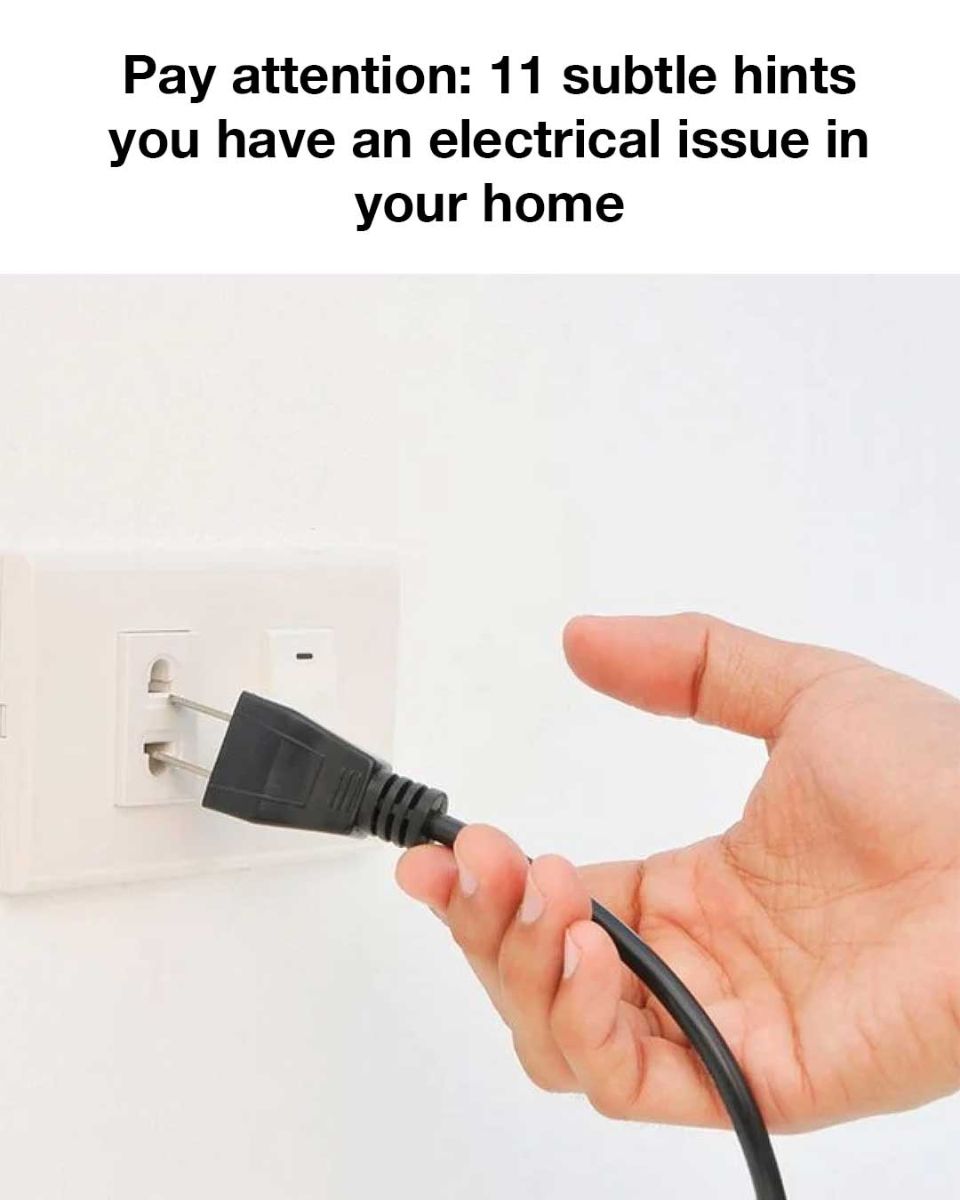
How to Recognize Electrical Problems in Your Home Before It’s Too Late
Your home’s electrical system is essential for your daily comfort and safety, providing power to lights, appliances, and electronics. However, electrical issues, if left unchecked, can lead to severe hazards, such as fires, electrocution, and significant damage to your property. Recognizing the subtle signs of electrical problems early can prevent potential disasters, ensure your home remains safe, and extend the longevity of your electrical system. Here’s how to spot the most common electrical issues before they escalate.
The Importance of Identifying Electrical Issues Early
Catching electrical problems early can help you avoid expensive repairs and prevent potentially dangerous situations. Minor issues, if left unaddressed, can turn into major hazards, putting your family and home at risk. By paying attention to warning signs and acting promptly, you can save money, protect your property, and keep your loved ones safe.
Common Signs of Electrical Issues in Your Home
Here are some of the most common signs that indicate your home’s electrical system may need attention:
1. Frequent Circuit Breaker Trips
- What it means: If your circuit breaker trips frequently, it’s often a sign that your electrical system is overloaded. The purpose of a circuit breaker is to shut off power if it detects a problem, such as overheating, which can lead to a fire. Frequent tripping suggests there could be a wiring issue or that your system isn’t designed to handle the electrical load.
- What to do: Avoid continuously resetting the breaker. Call an electrician to inspect your system and determine if an upgrade or repair is needed.
2. Unusual Odors or Burning Smells
- What it means: A burning or chemical-like odor coming from outlets, switches, or electrical panels is a major red flag. This smell usually indicates overheating wiring, which could cause a fire.
- What to do: Immediately turn off the power to the affected area and contact a licensed electrician. Do not attempt to fix this yourself as it can be very dangerous.
3. Flickering or Dimming Lights
- What it means: Lights that flicker, dim, or behave erratically may suggest issues such as poor wiring connections, overloaded circuits, or a problem with the power supply.
- What to do: If the problem persists, have an electrician check the wiring and circuits. It could also indicate a problem with the electrical panel.
4. Discolored or Warm Outlets and Switches
see continuation on next page
